
Wetlands provide vital services such as filtering and purifying water, protecting shorelines, reducing erosion, storing carbon, and providing rich habitat for a diverse range of plants and animals. Unfortunately, wetlands are our unsung and underappreciated heroes and still face declines in number, size, and quality. Those that remain are threatened by rising sea level, pollution, filling, draining, and other human impacts. Many marsh-dependent species have been affected, and are in need of monitoring, protection, and recovery efforts.
The Marsh Monitoring Program (MMP) is a wildlife monitoring program for coastal and inland marshes. Its success has been fuelled by the energy and contributions of volunteers. Skilled MMP surveyors spend time outdoors watching their marshes grow through seasons and years while recording information about marsh birds, habitat, and in some areas, amphibian species. Survey information collected in Spring and Summer helps track long-term trends in species diversity, and guides conservation, restoration, and management programs for marshes and their bird and amphibian inhabitants.
The MMP offers a unique and rewarding opportunity to contribute toward understanding and conserving wetlands, one of North America’s most threatened ecosystems.
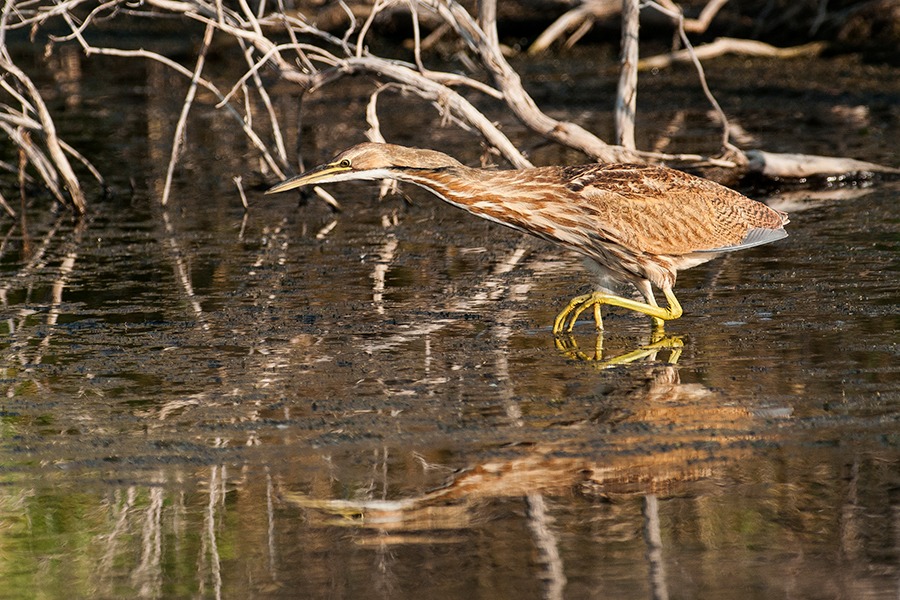
American Bittern Photo: May Haga
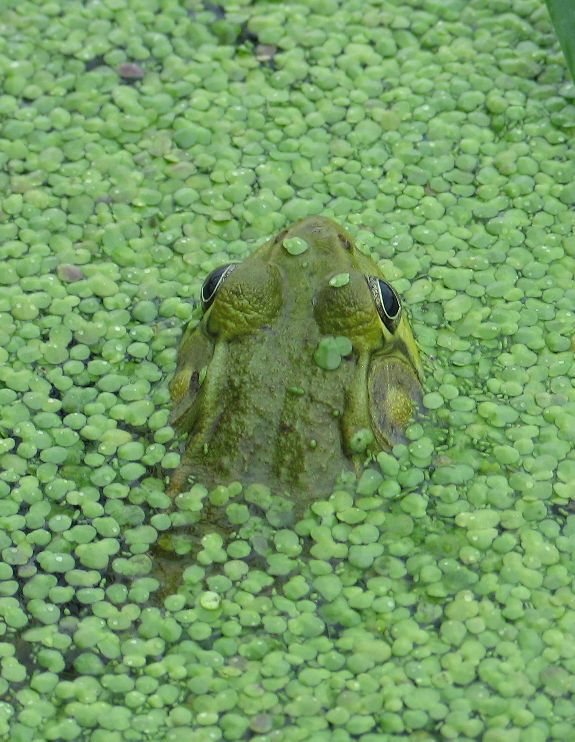
Green Frog Photo: Nanticoke G.S., Ontario Power Generation
Join the Marsh Monitoring Team
For more information and to get involved in your area, please contact:
British Columbia
Great Lakes Region
Kathy Jones
Volunteer Manager, Great Lakes Program, Birds Canada
Québec
Andrew Coughlan
Director, Québec, Birds Canada
Maritimes
Graham Sorenson, Program Coordinator, Birds Canada
